Introduction: The Great Coffee Debate Taking Over Reddit
A seemingly simple question sparked an unexpected conversation on r/BuyItForLife this week: Has anyone genuinely switched from espresso and milk drinks to filter coffee as their daily driver? With nearly 400 comments and over 170 upvotes, the post touched on something the coffee community has been quietly wrestling with—and it’s not about which tastes better in theory. It’s about what actually changes someone’s daily habit.
What started as one coffee enthusiast’s genuine curiosity has evolved into a nuanced discussion about lifestyle, health, convenience, and value. And it reveals something important: filter coffee isn’t just a trend. For many people, it’s a practical, economical, and surprisingly satisfying alternative to the daily espresso-based routine—one that’s built to last in both quality and personal preference.
What Is Filter Coffee, Exactly?
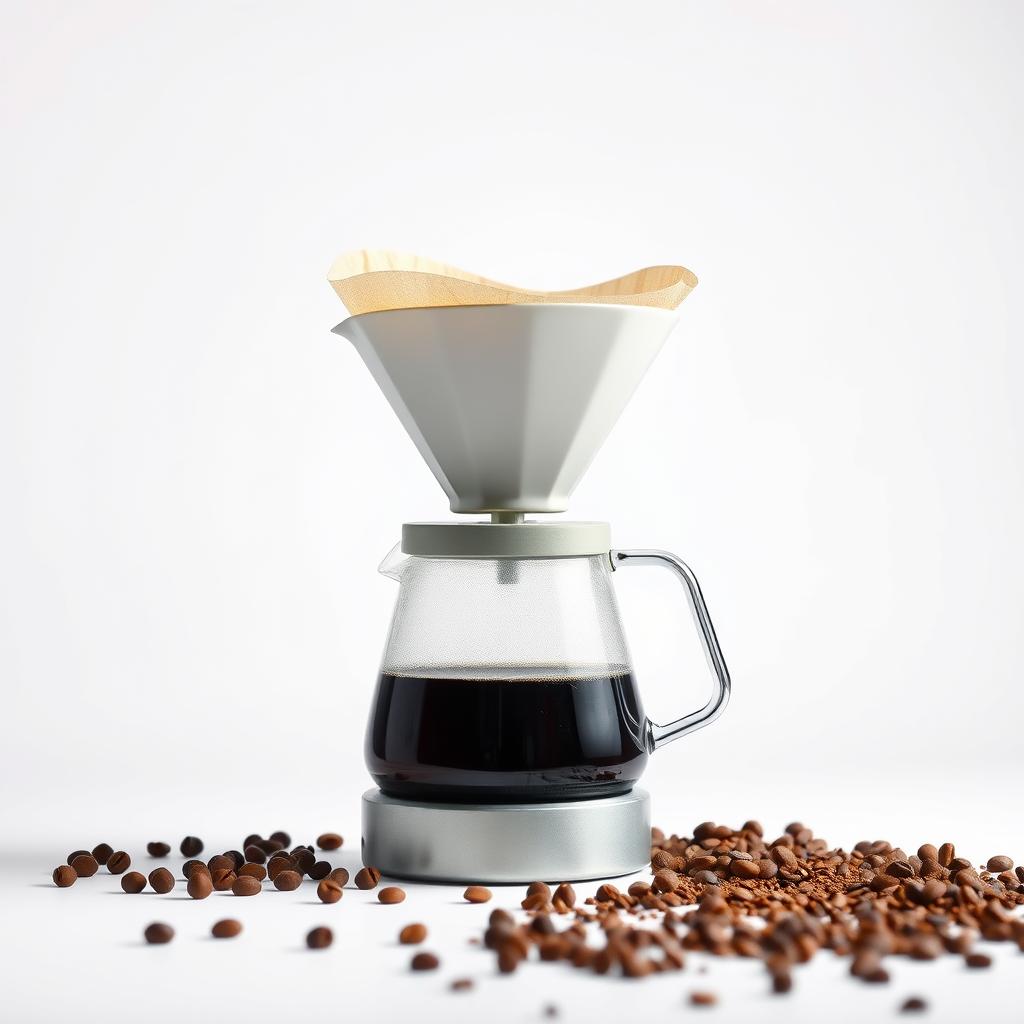
Filter coffee—also called pour-over or drip coffee—is coffee brewed by pouring hot water over ground beans through a filter. The water extracts the coffee’s flavor compounds as it passes through, and the filter catches the grounds and oils, leaving behind a clean, bright cup.
Unlike espresso, which uses pressure to force water through tightly packed grounds in seconds, filter coffee is a slower, more deliberate process. You’re looking at anywhere from 3-5 minutes from start to finish. Methods include the V60, Chemex, Kalita Wave, Aeropress, or even a simple automatic drip machine. The result is a completely different drinking experience—lighter, more nuanced, and often revealing the unique characteristics of the beans themselves.
Why Reddit’s Coffee Community Is Making the Switch
The r/BuyItForLife community offered surprisingly consistent reasons for moving away from espresso-based drinks. According to the conversation, the appeal boils down to a few key factors.
First, there’s the practical reality: filter coffee is simply easier to make at home. You don’t need expensive equipment or years of skill development. A decent hand grinder, a $10 plastic V60 or similar brewer, good beans, and hot water are genuinely all you need. Compare that to espresso, where even people with access to high-end equipment at work admit they struggle to replicate café-quality results at home. The barrier to entry for good filter coffee is remarkably low, making it a true buy it for life option that doesn’t require constant upgrades.
Second, there’s the caloric and health angle. Multiple community members mentioned cutting unnecessary calories, and black filter coffee became their solution. No milk means no extra calories, no sugar means no blood sugar spikes. For people drinking multiple cups daily, this adds up. One commenter noted that paper-filtered coffee actually has health advantages: it removes diterpenes that can raise LDL cholesterol, while preserving the beneficial compounds that make coffee good for you. If you’re drinking a lot of coffee regularly, this distinction matters.
Third, and perhaps most tellingly, there’s the flavor argument. Once people experience really good coffee brewed properly, milk becomes less appealing. The r/BuyItForLife community repeatedly noted that milk dilutes the coffee’s inherent flavors and origins. When you’re using quality, single-origin beans—lighter roasts that showcase the bean’s characteristics—adding milk just masks what you paid for. That shift in perspective is often the tipping point.
Key Features of a Buy It for Life Filter Coffee Setup
The best filter coffee equipment is defined by durability and simplicity. A quality hand grinder with burr grinding (not blade) will last decades. A ceramic or glass brewer like the Chemex or V60 is virtually indestructible and never needs replacing. Even a simple kettle with a gooseneck spout is a one-time purchase that outlasts countless espresso machines. There are no moving parts to break, no electronics to fail, no ongoing maintenance beyond basic cleaning.
Pros
- Affordable initial investment: You can build a quality setup for under $100, and many components last a lifetime
- Low maintenance: No moving parts, no electronics, minimal cleaning required
- Easy to master: The learning curve is gentle compared to espresso; good results come quickly
- Health benefits: Black coffee with no added calories or sugar; paper filters remove unhealthy diterpenes
- Flavor-forward: Highlights the unique characteristics of quality, single-origin beans
- Portable: Travel with your grinder and brewer; works anywhere with hot water
- Environmentally conscious: Minimal waste (compostable paper filters, no packaging from milk)
- Cost-effective over time: Beans are cheaper than milk and espresso drinks; equipment rarely needs replacing
Cons and What to Know
- Slower than espresso: If you want coffee in 30 seconds, espresso wins. Filter coffee requires patience
- Requires experimentation: Dialing in grind size, water temperature, and brew time takes some trial and error
- Not for everyone’s palate: Some people genuinely prefer the creaminess and body that milk adds—and that’s okay
- Quality bean dependency: Filter coffee highlights flaws in beans more than milk drinks do. Bad beans taste worse
- Routine requirement: It’s not as convenient as grabbing a café drink; you have to commit to the process
- Limited social appeal: You can’t easily order filter coffee at many cafés during your commute
Who Is It Best For?
Filter coffee is ideal for anyone who drinks multiple cups of coffee daily and wants to save money, calories, and time compared to café visits. It’s perfect for people who appreciate nuance and flavor complexity, and who view coffee as part of their morning ritual rather than a rushed caffeine delivery system. If you’re looking for a buy it for life investment—a setup that actually lasts decades without replacement—filter coffee equipment is genuinely one of the best values in the coffee world.
The Bottom Line
The Reddit conversation reveals something important: the “switch” from espresso to filter coffee isn’t really about one being objectively better. It’s about alignment. Filter coffee aligns with a lifestyle that values simplicity, health, flavor, and long-term value. The equipment is worth the investment because it rarely needs replacing. The learning curve is forgiving. The results are consistently excellent. And perhaps most importantly, it actually works as a daily habit—not just on weekends.
If you’re curious about making the switch, the barrier is low. Invest in one decent burr grinder and one simple brewer, buy some fresh beans from a local roaster, and give it a genuine month. You might discover that this isn’t about abandoning espresso forever. It’s about finding what actually fits your life. And for many people, that’s filter coffee—the quiet, reliable, built-to-last choice that delivers exactly what it promises, every single morning.
 Expertise Empowerment
Leave a Reply