Introduction
A Reddit post on r/BuyItForLife recently went viral, and it’s not about a cast-iron skillet or a leather wallet. Instead, it’s about creatine—a humble dietary supplement that’s been catching attention for an unexpected benefit: helping users power through sleep deprivation with remarkable mental clarity. With over 159 upvotes and dozens of engaged comments, the community is buzzing about this affordable, long-lasting supplement that’s worth the investment for anyone dealing with occasional sleep loss or looking to maximize cognitive performance. But like any trending health product, there’s more to the story than meets the eye.
What Is It?
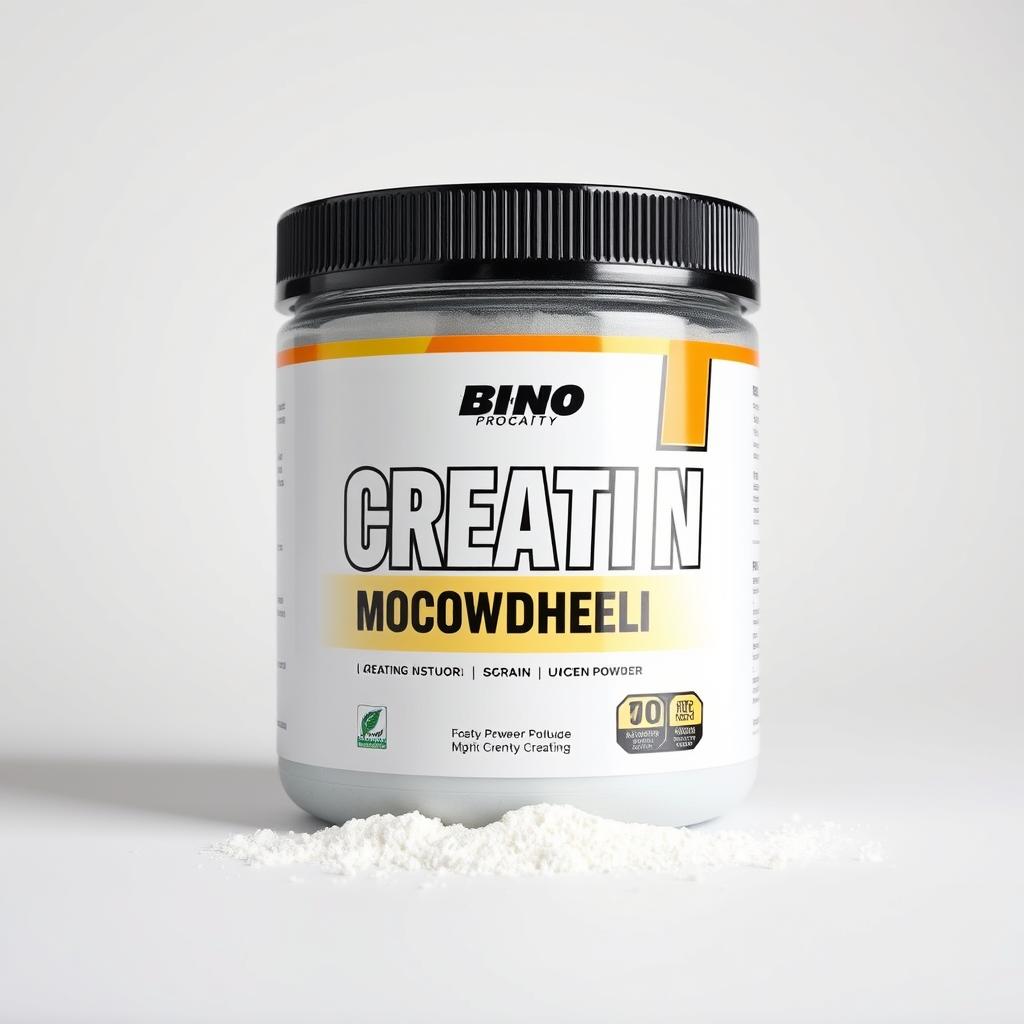
Creatine is a naturally occurring compound found primarily in muscle tissue. It plays a crucial role in energy production at the cellular level, particularly by replenishing ATP—the primary energy currency of your cells. While creatine monohydrate has long been a staple in the fitness and bodybuilding community, recent research suggests it offers cognitive benefits that extend far beyond the gym.
Available in powder form, creatine is one of the most affordable supplements on the market. A single container can last months, making it a genuinely budget-friendly purchase for those seeking long-term wellness support. The supplement has been studied extensively and is generally recognized as safe for most people when used appropriately.
Why Reddit Loves It
The r/BuyItForLife community is enthusiastic about creatine’s dual appeal: affordability and effectiveness. The original post describes taking a high dose after only 2 hours of sleep and experiencing an almost euphoric mental boost—feeling as alert as if they’d consumed strong stimulants, without needing their usual morning caffeine.
More importantly, the community validates this experience with actual science. According to feedback from r/BuyItForLife members, the cognitive benefits of creatine during sleep deprivation are backed by peer-reviewed research. A notable 2006 study (McMorris et al.) demonstrated improved complex cognitive function after 24 hours of sleep deprivation when creatine was supplemented. The mechanism is elegant: creatine helps replenish brain ATP, essentially giving your neurons the energy they need to keep firing even when you’re running on fumes.
Community members also share their own positive experiences, with some reporting they take 15g daily with breakfast and experience no digestive issues—further evidence that with proper usage, this is a sustainable, long-lasting addition to a wellness routine.
Key Features
What makes creatine a true “buy it for life” product is its combination of affordability, longevity, and proven effectiveness. A single tub of quality creatine monohydrate can cost under $20 and last several months, making it one of the most cost-effective supplements available. Unlike trendy nootropics that come and go, creatine has decades of research behind it and shows no signs of losing relevance. It’s simple—just a powder you mix with water—with no complex delivery systems or proprietary blends to justify inflated pricing.
Pros
- Cognitive enhancement during sleep deprivation: Research-backed improvements in mental clarity, focus, and complex thinking when sleep-deprived
- Affordability: One of the cheapest supplements available; worth the minimal investment for months of use
- Long shelf life: Creatine is stable and doesn’t degrade quickly, living up to the “buy it for life” philosophy
- No caffeine dependence: Users report reduced need for morning caffeine, potentially saving money and reducing jittery side effects
- Well-researched: Decades of scientific studies support its safety and efficacy
- Versatile: Works for both athletic performance and cognitive support
Cons and What to Know
- Gastrointestinal issues at high doses: Taking too much creatine in one sitting (like the original poster’s 12-14g) can cause osmotic diarrhea due to water drawn into the intestines
- Requires proper dosing strategy: The community consensus is 5g spread throughout the day or split doses with food to avoid GI distress
- Flavored versions may complicate matters: Artificial sweeteners in flavored creatine products can compound digestive issues; plain creatine monohydrate is preferred
- Potential bipolar disorder concerns: Some research suggests creatine supplementation may exacerbate bipolar disorder symptoms; consult a healthcare provider if you have a history of mood disorders
- Requires consistency: Creatine works best with regular, ongoing use rather than occasional high doses
- Individual variation: Results vary; some people experience dramatic cognitive boosts while others notice subtle improvements
Who Is It Best For?
Creatine is ideal for students or professionals who occasionally face sleep deprivation and need to maintain sharp cognitive function, as well as athletes looking to improve performance and recovery. It’s also worth the investment for anyone interested in nootropics or cognitive enhancement who wants a science-backed, affordable supplement without complex formulations or proprietary claims.
The Bottom Line
Based on the Reddit community’s experiences and scientific evidence, creatine is genuinely worth buying—and it’s so affordable that it qualifies as a true “buy it for life” investment. The key to success is using it properly: take 5g daily spread throughout the day, or if front-loading for acute sleep deprivation, split your dose and take it with food. Skip the fancy flavored versions and stick with plain creatine monohydrate. For the price of a couple of specialty coffees, you can have a months-long supply of a supplement that could genuinely improve your mental performance during demanding periods. Just avoid the mistake the original poster made, and your digestive system will thank you.
 Expertise Empowerment
Leave a Reply