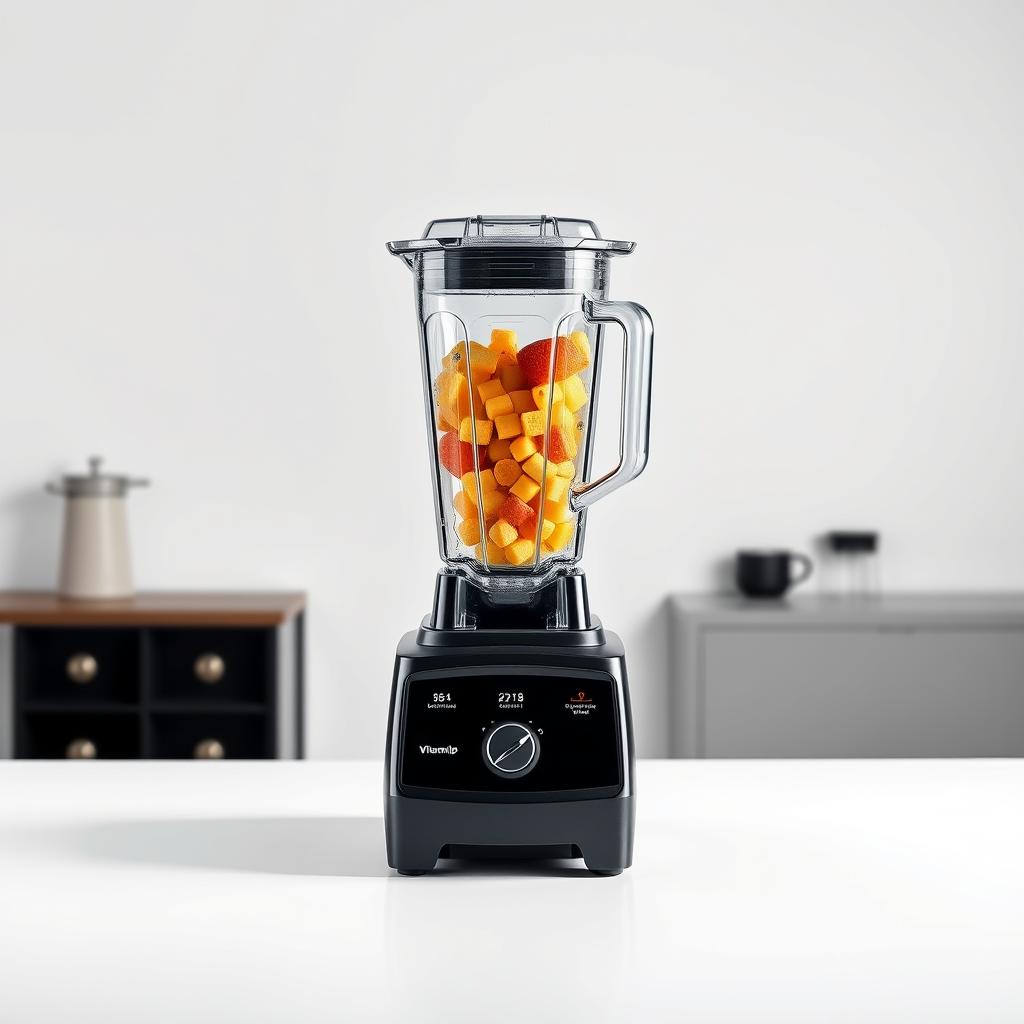
Introduction: Why a 1994 Blender Is Breaking the Internet
A Reddit post in r/BuyItForLife went viral this week with a simple but powerful claim: a Vitamix blender purchased in 1994 still performs flawlessly three decades later. With over 5,300 upvotes and counting, the post has struck a chord with people tired of disposable kitchen gadgets that fail after a season or two. In an era of planned obsolescence and subscription-based everything, a blender that outlasts mortgages is genuinely newsworthy—and it’s sparking serious conversations about what it really means to invest in quality appliances.
What Is It?
The Vitamix is a high-powered blender designed to handle heavy-duty blending tasks. The model in question—the Vitamix 5000—sits in the brand’s lineup as a workhorse machine capable of crushing ice, pulverizing whole fruits and vegetables, and creating silky smoothies with ease. Unlike regular blenders with plastic housing and weak motors, Vitamix machines feature industrial-grade motors (typically 2+ horsepower), sealed bearing systems, and reinforced containers built for serious use. They’re professional-grade appliances designed for both home kitchens and commercial food prep environments.
Why Reddit Loves It
The r/BuyItForLife community is raving about this blender for one reason: it actually lives up to its promise. The original poster has been using their inherited Vitamix 5000 five times a week since inheriting it, and reports zero performance degradation despite being 32 years old. That’s roughly 8,300+ uses and counting.
Community members have echoed this sentiment, with one user calling it “the best kitchen purchase I’ve ever made.” The comments reveal a pattern: people who own Vitamix machines develop genuine emotional attachments to them. One commenter shared nostalgic memories of making fruit smoothies and cheese-loaded bread dough in their mom’s Vitamix, describing it as a kitchen centerpiece that enabled family bonding. Another user mentioned purchasing a Vitamix 5200 during the pandemic at a discount and noted it remains their favorite kitchen appliance, even with infrequent use.
What stands out across all these testimonials is consistency: Vitamix owners don’t just like their blenders—they trust them. They expect them to work reliably, and they do.
Key Features That Enable Longevity
The Vitamix’s ability to function flawlessly after 32 years of ownership comes down to thoughtful engineering:
- Industrial-Grade Motor: The 2-horsepower motor is built for sustained, heavy use without burnout. It’s not optimized for occasional smoothies—it’s designed for constant work.
- Sealed Bearing System: Unlike cheap blenders that rely on open bearings that collect debris, Vitamix uses sealed bearings that resist moisture and wear.
- Durable Container Materials: The pitcher is made from rigid Tritan or polycarbonate, not flimsy plastic prone to cracking or clouding.
- Simple, Repairable Design: Vitamix machines have few moving parts, and replacement components (blades, gaskets, motors) are readily available and user-replaceable.
- Timeless Engineering: The Vitamix 5000 from 1994 uses the same fundamental design principles as modern models, making it backward-compatible with newer accessories.
Pros
- Exceptional durability—proven to last 30+ years with regular use
- Consistent, powerful blending performance across decades of ownership
- Spare parts are widely available and affordable, extending lifespan indefinitely
- Simple, intuitive controls that don’t rely on digital interfaces prone to failure
- Handles ice, frozen fruit, whole vegetables, and tough ingredients with ease
- Excellent for smoothies, soups, nut butters, and other demanding blending tasks
- Strong resale value; used Vitamix machines hold their worth
- Quiet operation compared to budget blenders
Cons / What to Know
- High upfront cost: Expect to pay $300–$600+ for a new Vitamix, making it a significant investment for many households
- Overkill for light use: If you blend occasionally, a cheaper blender may be more practical
- Heavy and takes counter space: These aren’t compact or lightweight—they need dedicated real estate
- Loud operation: While quieter than budget blenders, Vitamix machines are still noticeably loud during use
- No warranty transfer on used models: Buying secondhand means no manufacturer backing (though the Vitamix community is known for being helpful with troubleshooting)
- Learning curve: New owners sometimes struggle with optimal speed settings and blending techniques
Who Is It Best For?
The Vitamix is ideal for people who regularly use a blender and want to buy it for life—those making daily smoothies, soups, nut butters, or other serious blending tasks. It’s also a smart choice for families with multiple users and high-use environments. If you blend only occasionally or have a tight budget, there are solid mid-range alternatives, but for long-lasting quality and reliability, the Vitamix category stands alone.
The Bottom Line
A blender that works flawlessly after 32 years isn’t lucky—it’s proof of exceptional design and manufacturing. The viral Reddit post highlighting a three-decade-old Vitamix 5000 isn’t nostalgia; it’s a real-world endorsement of what built to last actually means. Yes, it’s expensive upfront. Yes, it’s heavy. But if you use a blender regularly, the Vitamix represents a true buy it for life investment that will outlast trends, fads, and multiple generations of cheaper alternatives. In a world of disposable appliances, that’s worth the investment.
 Expertise Empowerment
Leave a Reply